What Happens in Ankara Doesn't Stay in Ankara
How treating a youth world cup with Olympic-level standards transformed my approach to sports media operations
WBSC Youth Baseball5 World Cup · Ankara, Türkiye · October 2023
What happens in Rome stays in Rome… but what if it happens in Ankara?
What happened to me at the Ankara 2023 WBSC Baseball5 Youth World Cup is exactly the kind of experience that should not stay on tour. It challenged how I prepare for and handle a sporting event, and it reinforced why every assignment deserves Olympic-level standards, no matter the size of the stage.
Going in, I felt ready. I was appointed Media Officer for Team Zambia on secondment from the National Olympic Committee of Zambia, and I was confident my previous multi-sport experience had prepared me for anything—at least, that's what I thought.
Reality on the ground told a different story. Serving in that capacity was a completely new and surprisingly enjoyable experience. I was suddenly much closer to a young, fast-paced and rapidly growing discipline—Baseball5—being showcased not only across the African continent but in major markets around the world.
That gap between what I expected and what I found in Ankara is what this case study is about: how to approach any competition, even a youth world cup, as if you are preparing for the Olympic Games—and why your athletes deserve nothing less.
1. Treating a Youth World Cup Like the Olympics
In October 2023, I joined a lean Zambian delegation—eight players and two coaches—for the inaugural WBSC Youth Baseball5 World Cup in Ankara, Türkiye. My mindset from day one was to prepare as though we were heading to an Olympic Games campaign, not a "small" youth event.
That meant arriving with a clear media plan, understanding accreditation and venue flows before competition began, and identifying key storylines we wanted to highlight—from first-time international caps to Baseball5's growth in Zambia and across Africa.
Learning: Never downgrade your standards because the event is "only" youth or "just" a qualifier. For the athletes involved, it is often the biggest stage of their lives so far. Your preparation should reflect that.
2. Stepping Into the Global Spotlight
Before a single ball was put in play, I represented Team Zambia at the official press conference alongside coaches and representatives from 11 other nations. Senior leaders from the global federation and the Turkish hosts were present, underlining the importance of the tournament.
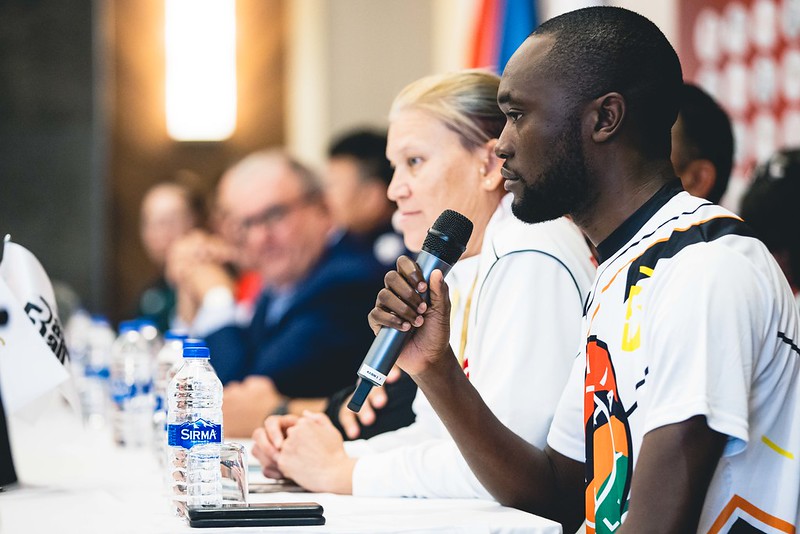
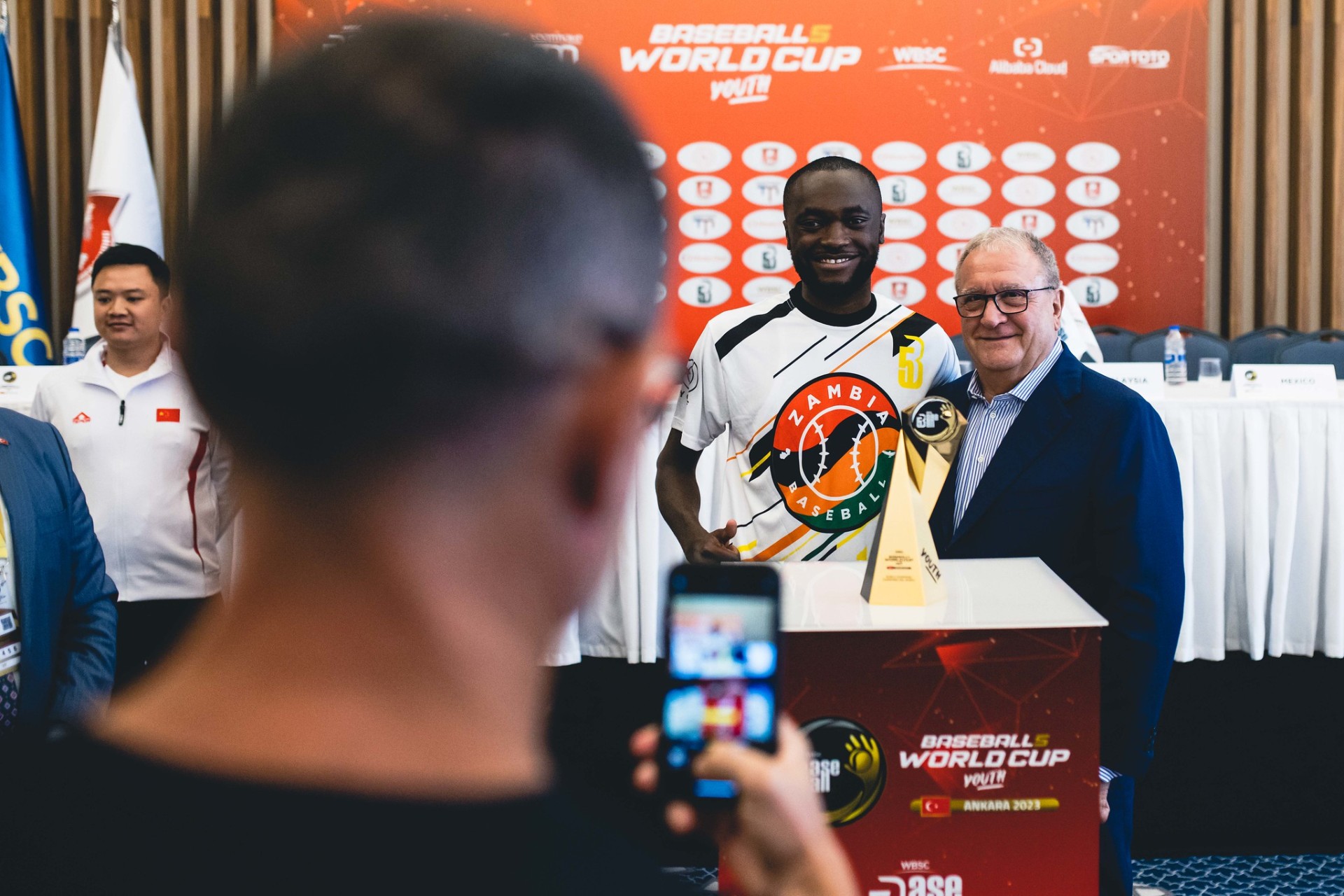
Here, treating the event like the Olympics meant arriving with crisp, athlete-centred talking points: how our team had prepared, why this debut mattered for Zambian Baseball5, and what we hoped to learn from competing against traditional and emerging powers in the sport.
Learning: Whether it's a youth world cup or an Olympic final, every official media touchpoint is a chance to shape how your country and athletes are perceived. Prepare for it with the same seriousness you would bring to a mixed zone at the Games.
3. Building a Real-Time Media Operation
Competition started on 10 October with back-to-back games against Cuba and hosts Türkiye, and continued with fixtures against China, Tunisia, Malaysia, Korea, Australia and Ghana. Across these matches we experienced wins, narrow losses and tough learning moments.
To ensure that fans, families and stakeholders at home felt part of the journey, I:
- Created a dedicated messaging group with key journalists in Zambia to share daily results, short stories and photographs
- Managed the Baseball & Softball Association's social media channels, posting highlights, behind-the-scenes content and human-interest pieces in line with WBSC guidelines
- Coordinated with the tournament media team on captain photo sessions and additional content opportunities
We had a major constraint: there was no reliable wireless internet at the competition venue. That forced us to work offline during games, batch-prepare content and upload from the hotel.
Learning: Plan for Olympic-level redundancy. Assume connectivity, equipment or schedules will fail and design low-bandwidth, low-tech workflows so you can still tell your team's story consistently.
4. Developing Athletes as Communicators
Beyond content production, I saw Ankara as a practical classroom for our young athletes in media skills. Over the course of the tournament, I held four informal sessions covering:
- How to handle post-match interviews with composure
- How to talk about performance honestly without blaming others
- How to represent Zambia and the sport positively in front of international cameras
These sessions paid off quickly: our captain and vice-captain were selected for a tournament documentary, showcasing their voices as leaders of a new Baseball5 generation.
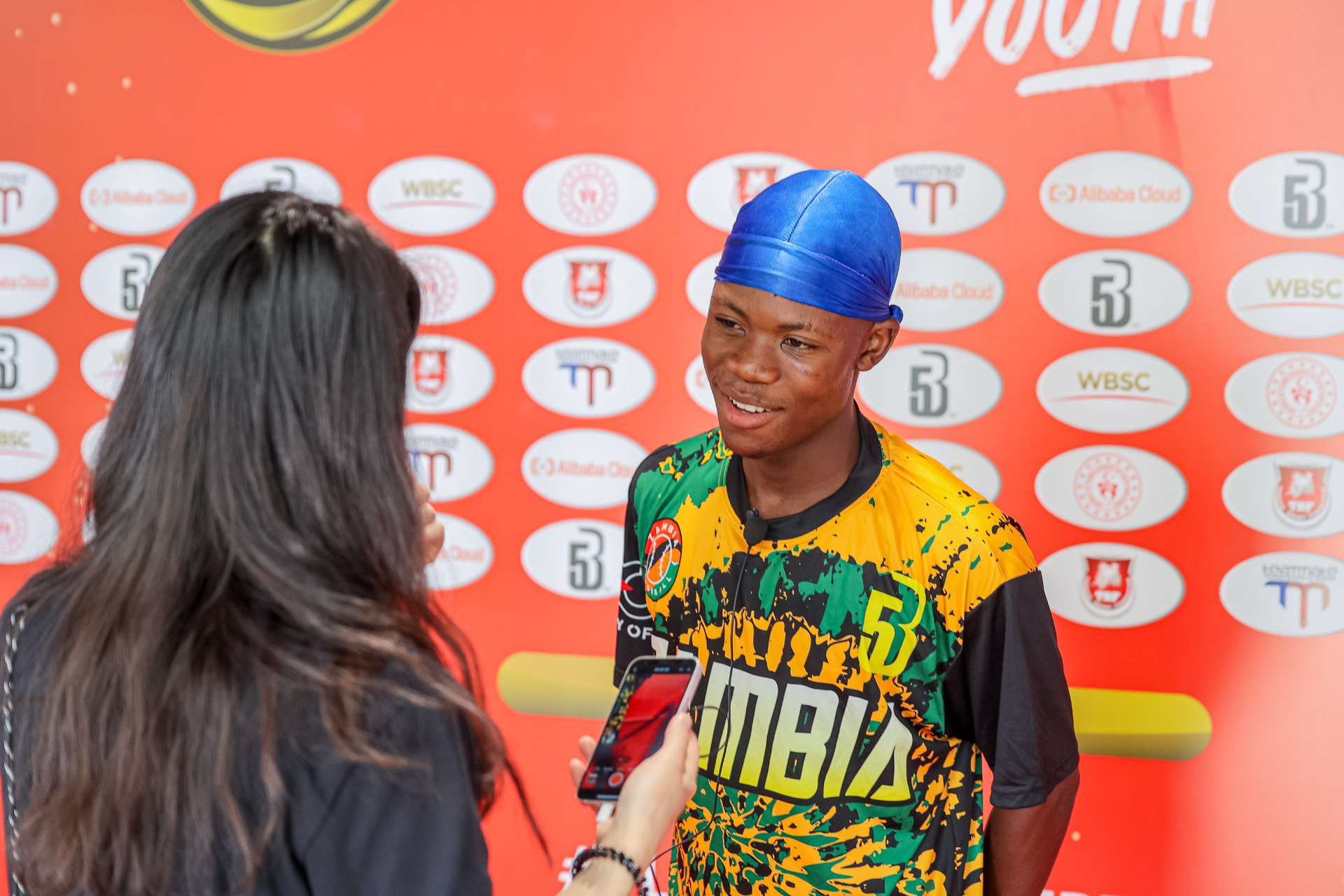
Learning: Use every competition as a rehearsal for future Olympic-level media exposure. Teaching athletes to communicate well is as important as teaching them to warm up well.
5. Key Takeaways: Preparing Any Competition Like the Games
Looking back, Ankara 2023 reinforced a simple principle: excellence is a habit, not a venue. Whether you are heading to a youth world cup or the Olympic Games, the approach should be the same.
For media and operations professionals, my main lessons are:
Prepare with Olympic-level detail—checklists, timelines, contingency plans
Take every media moment seriously; it may be a young athlete's first step onto the world stage
Design resilient communication systems that work even when infrastructure does not
Invest in athlete media literacy early; it pays off for years
Behave like part of the global organising team, not just a visitor
Ankara might not have delivered a medal for Zambia, but it delivered something just as valuable: proof that when you treat every event with Olympic-level respect and preparation, you give young athletes—and yourself—the best possible platform to grow.
In the end, what happened in Ankara definitely could not stay in Ankara. The lessons from this Youth World Cup campaign travelled home with me and became a blueprint I drew on heavily when planning for the Paris 2024 Olympic Games—proof that if you treat every event with Olympic‑level seriousness, it will prepare you for the real thing.
Behind the Scenes
A visual journey through the WBSC Youth Baseball5 World Cup in Ankara
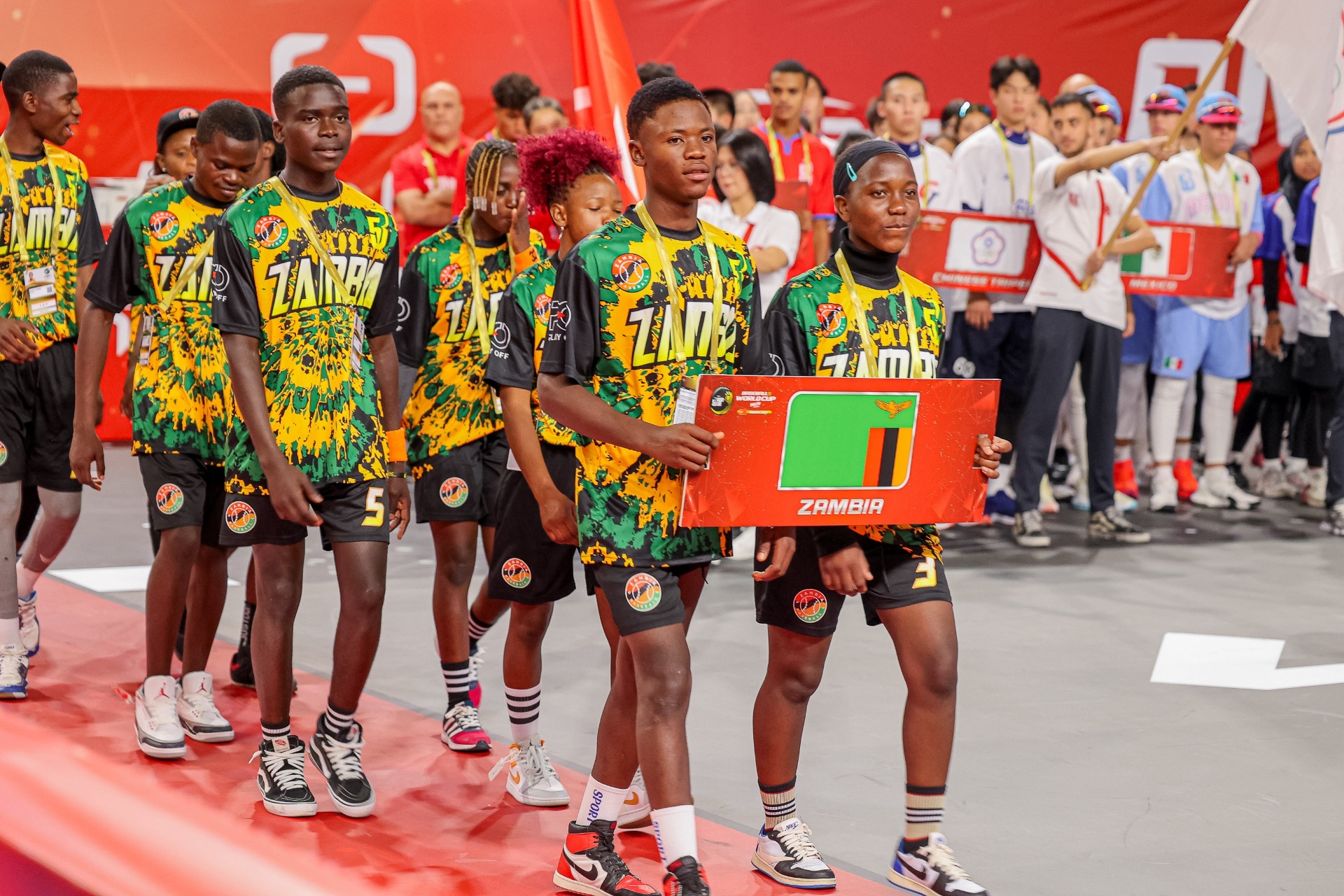
Opening ceremony festivities
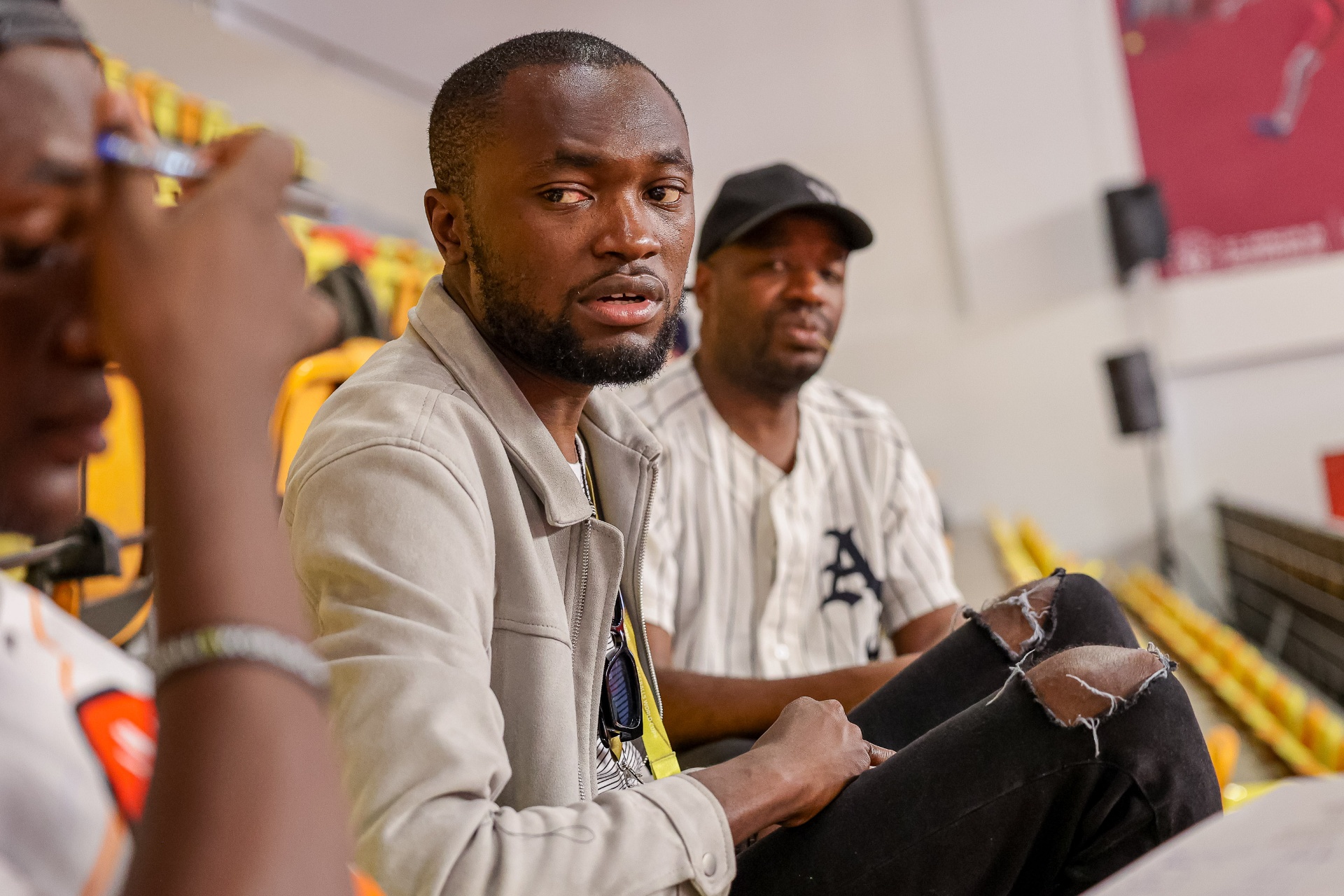
Official press conference with 12 nations
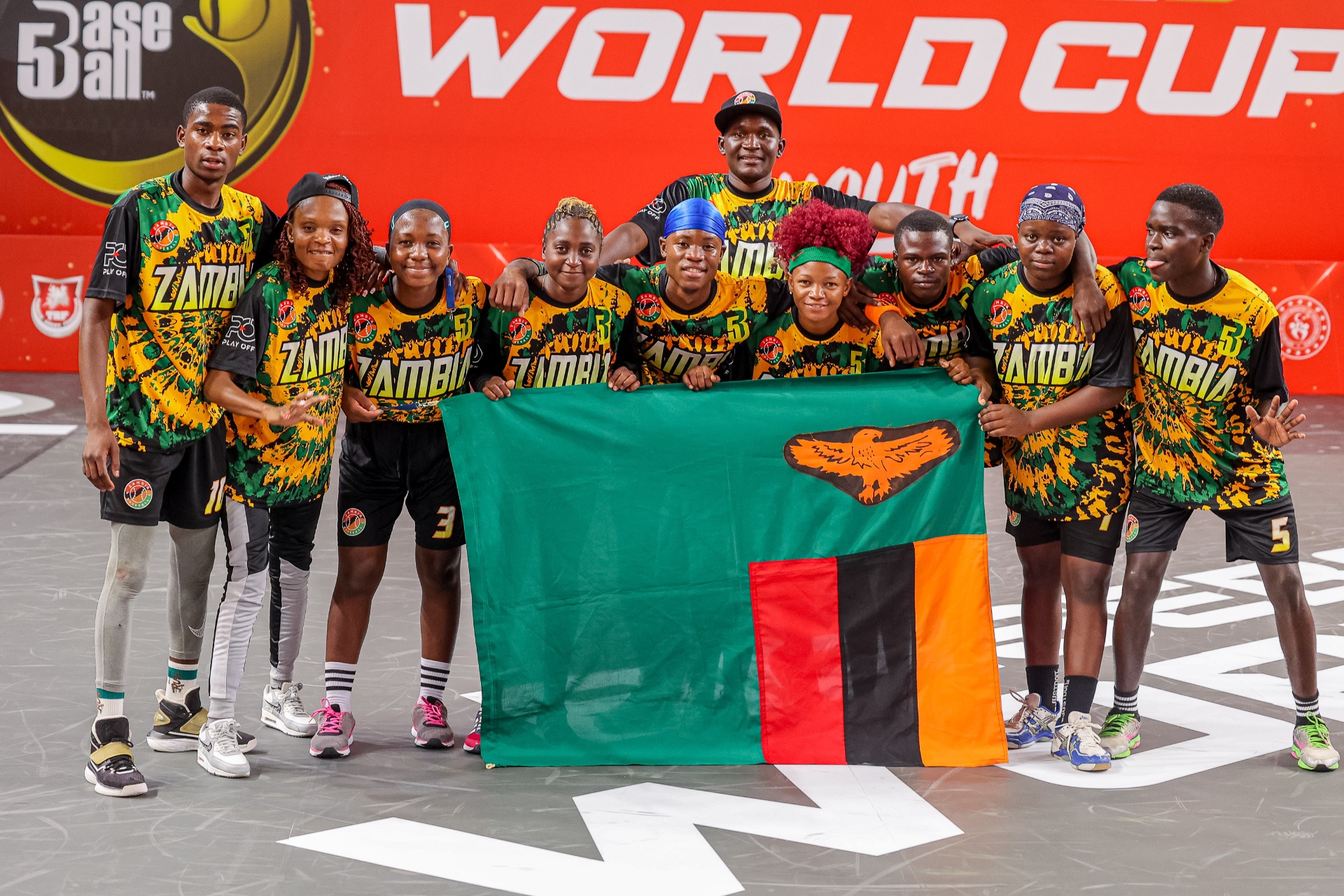
Team Zambia ready for competition
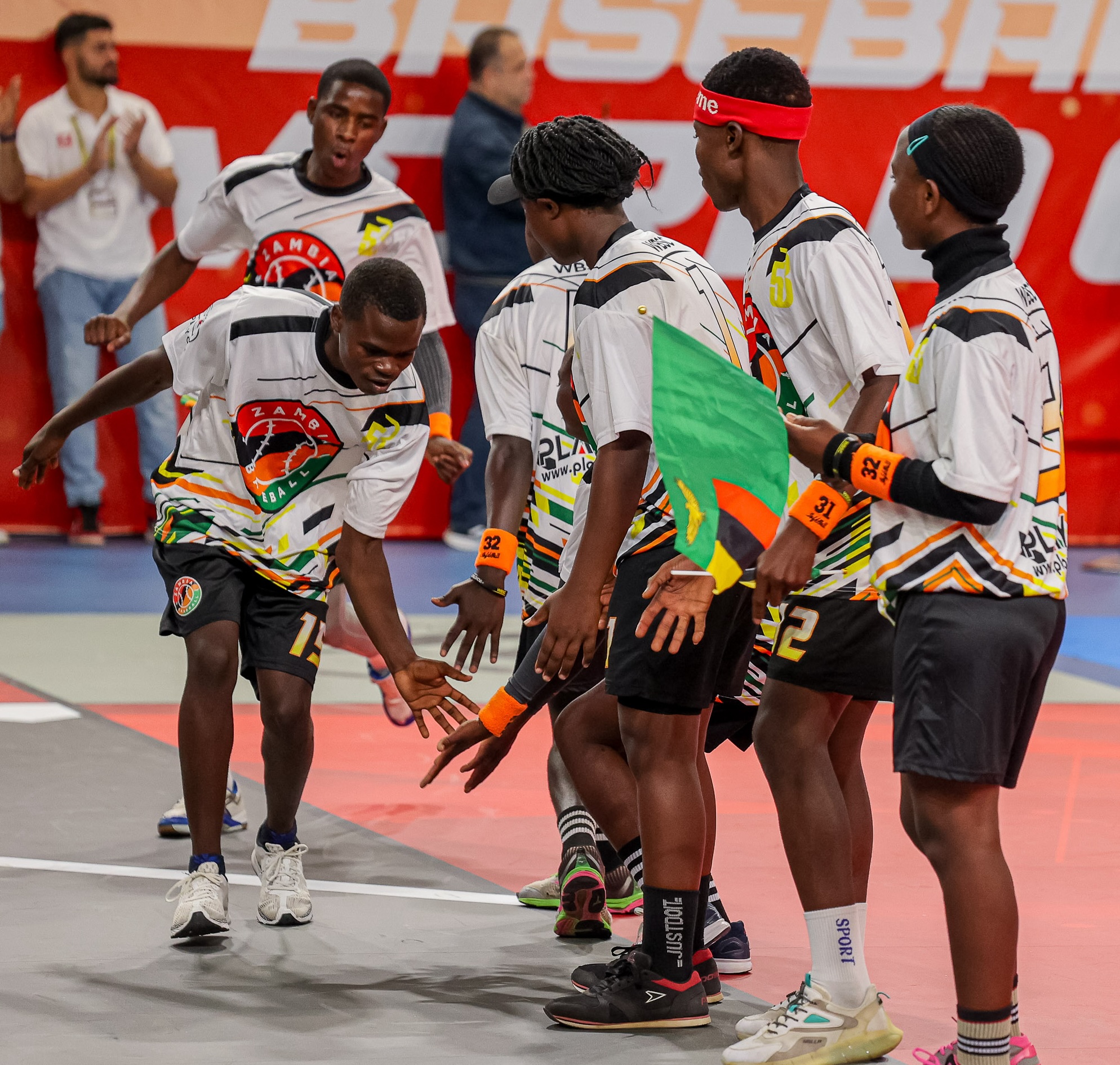
Pre-match team huddle
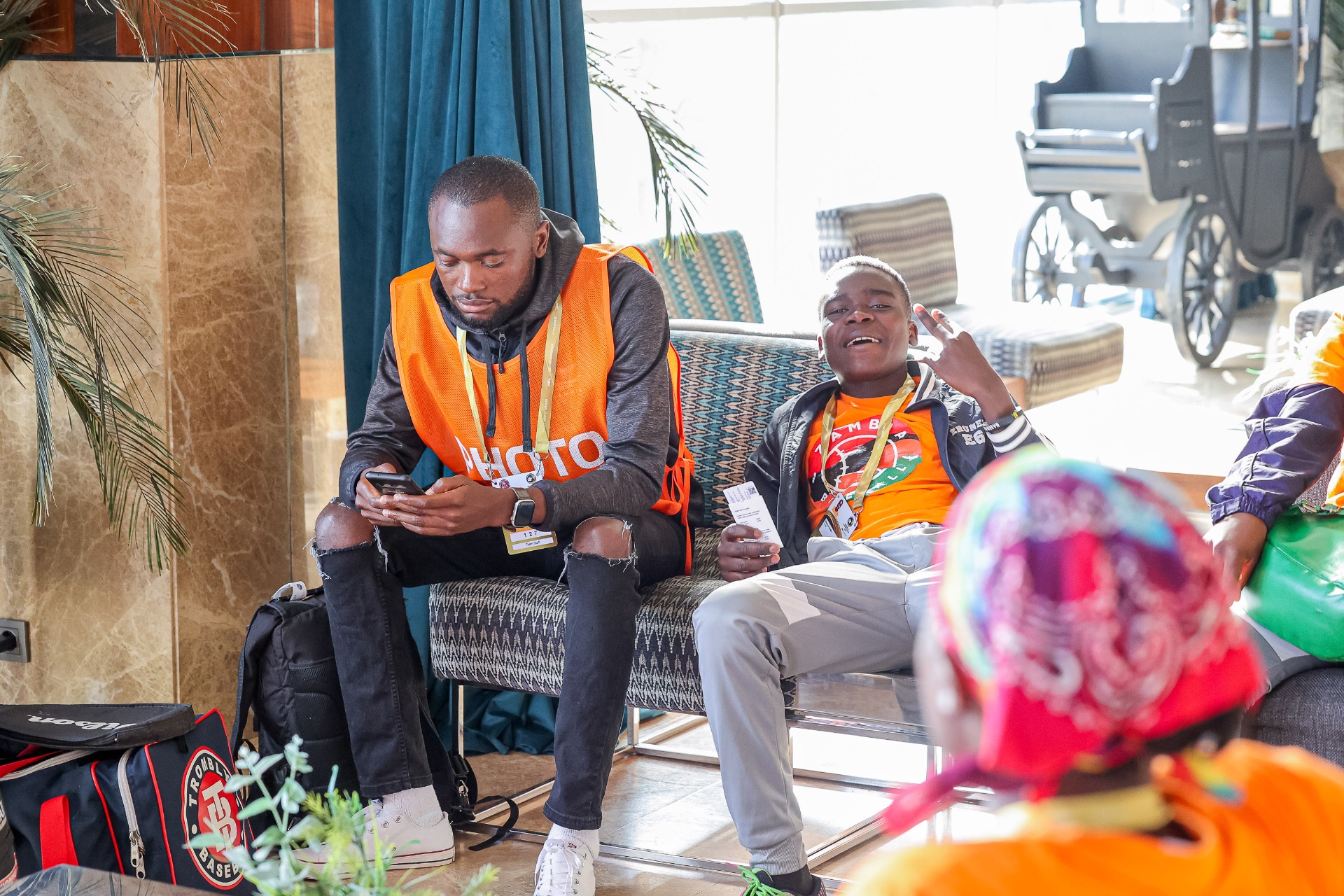
Media lounge operations
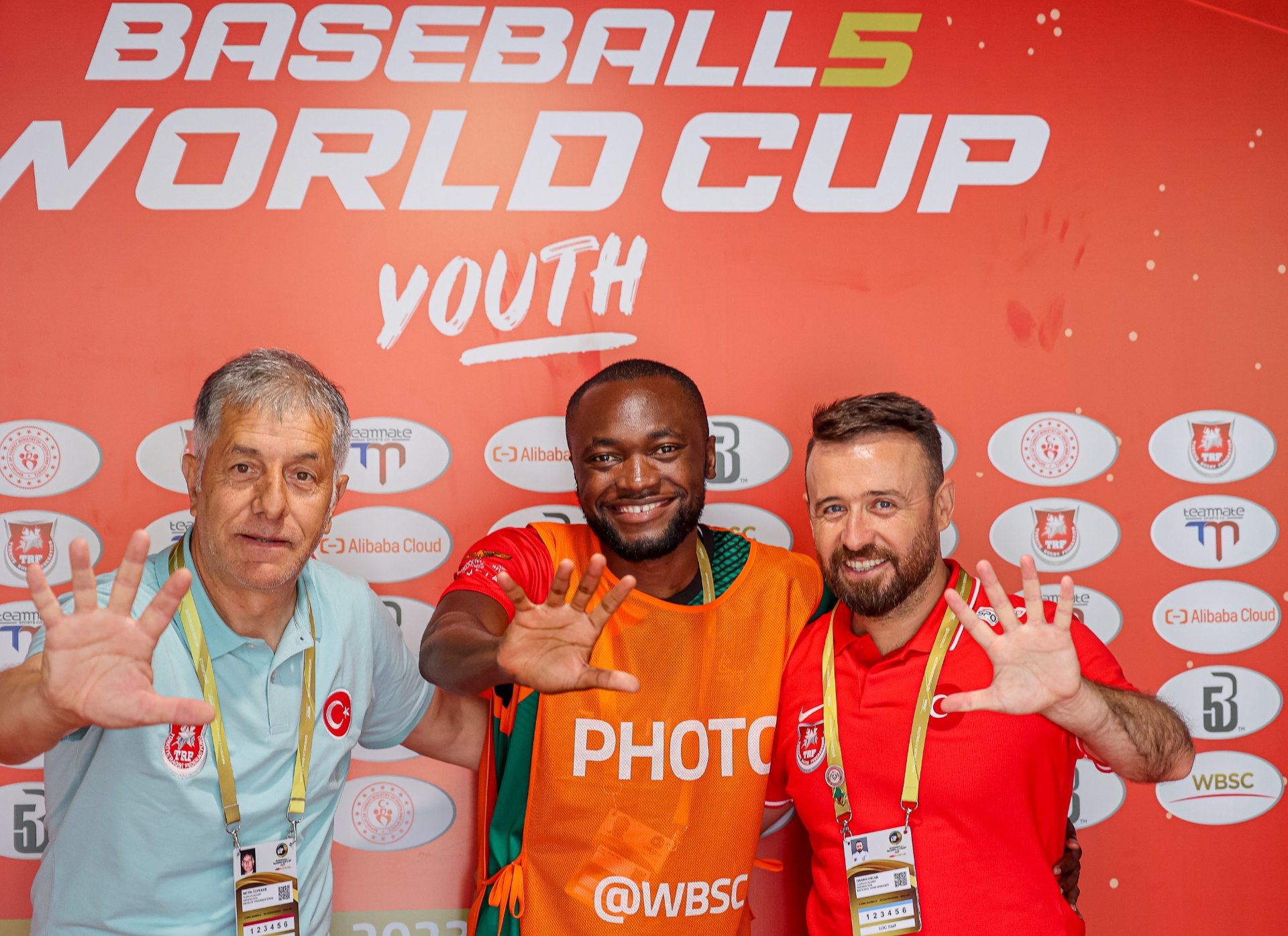
Tournament press wall
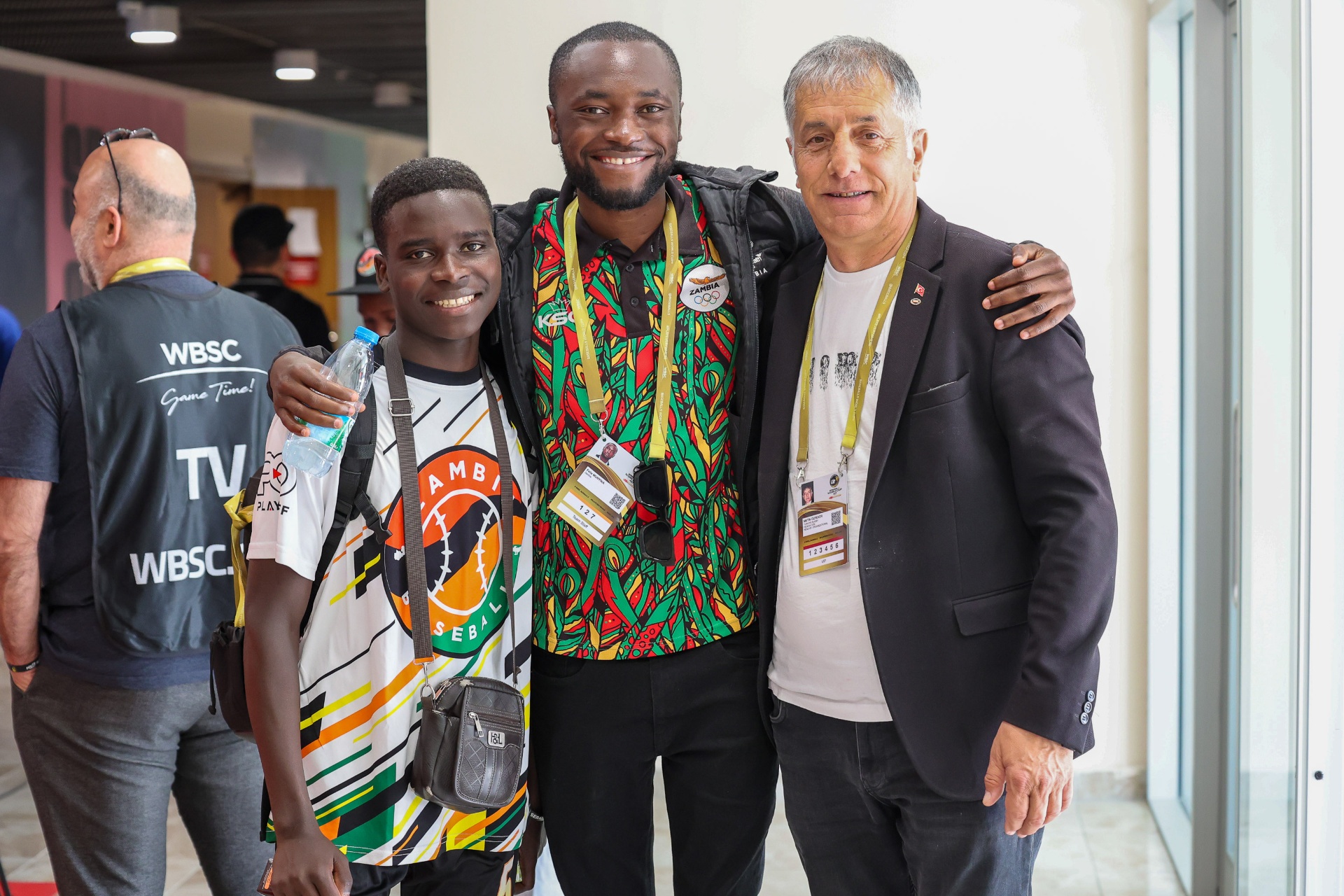
Delegation coordination
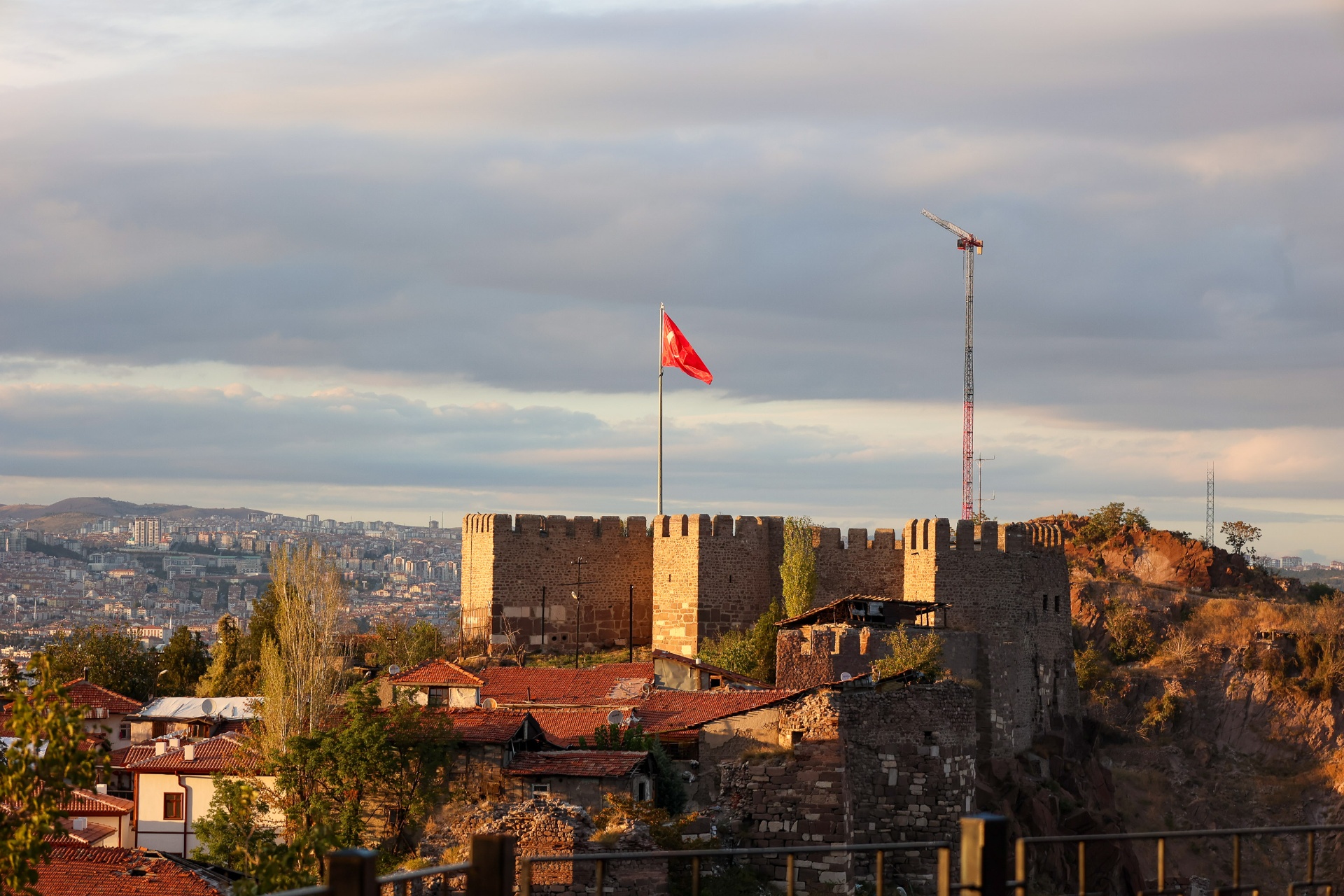
Cultural exploration at Ankara Castle